|
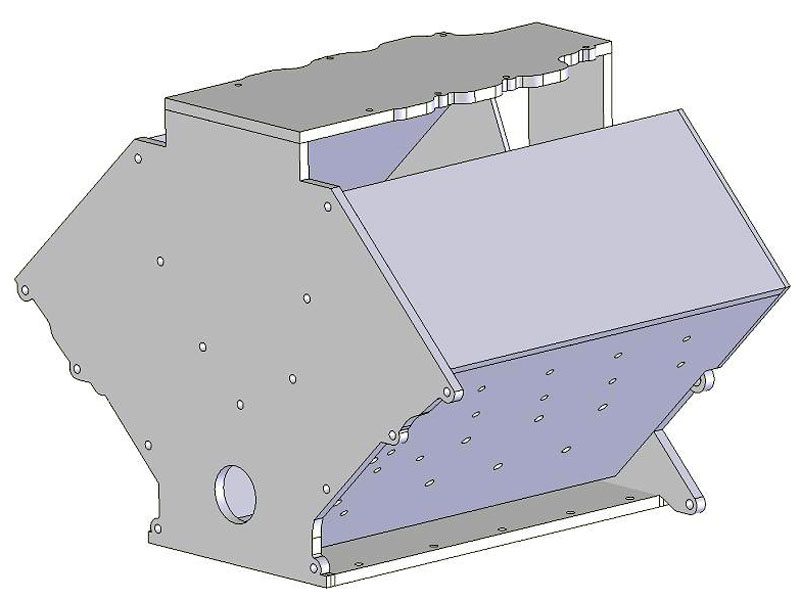
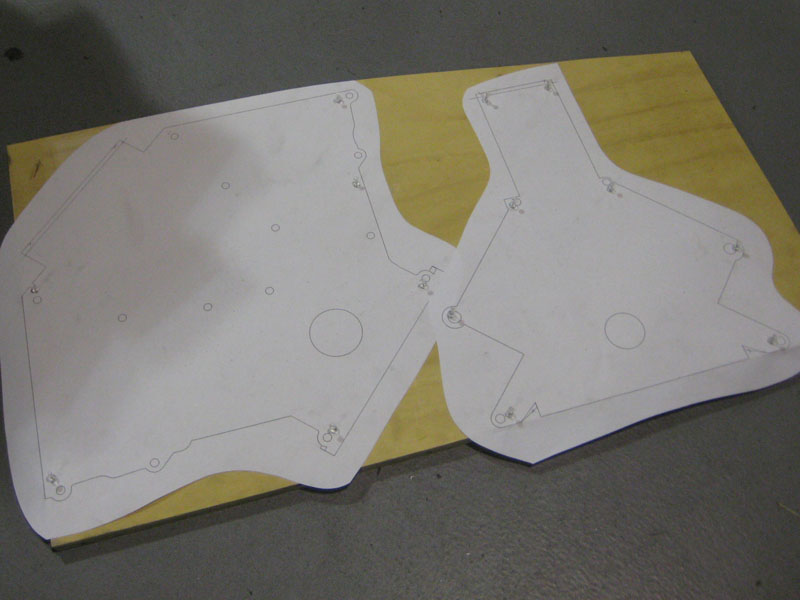
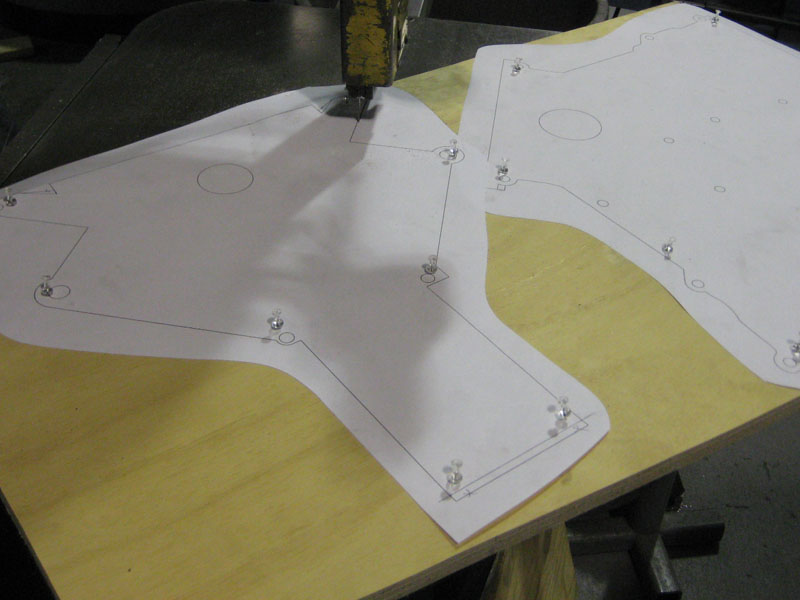
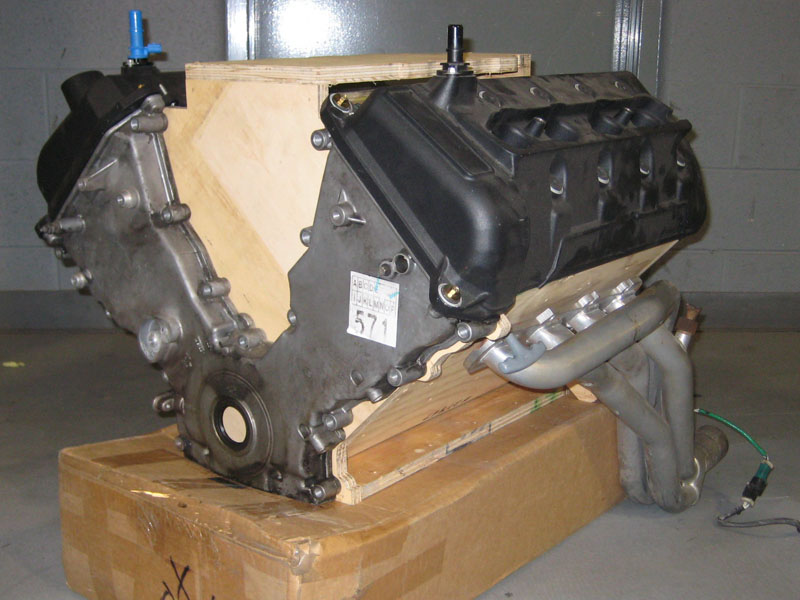
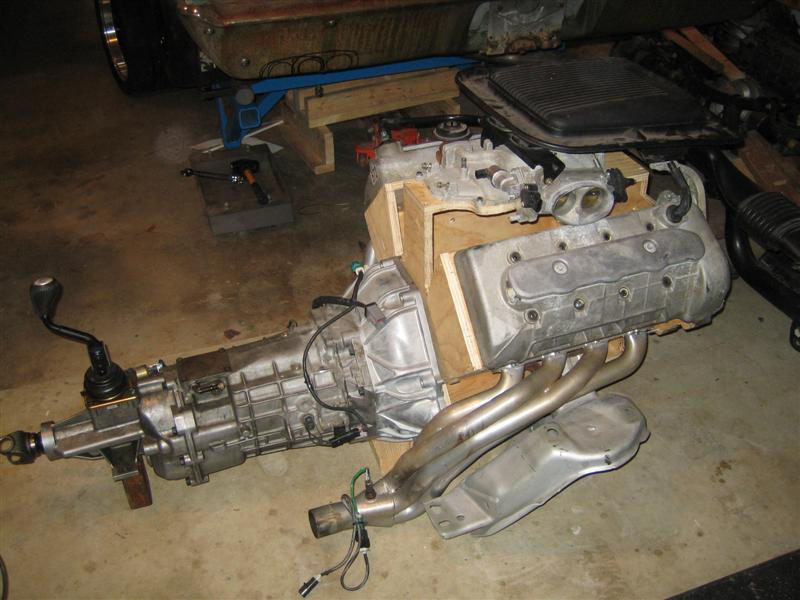
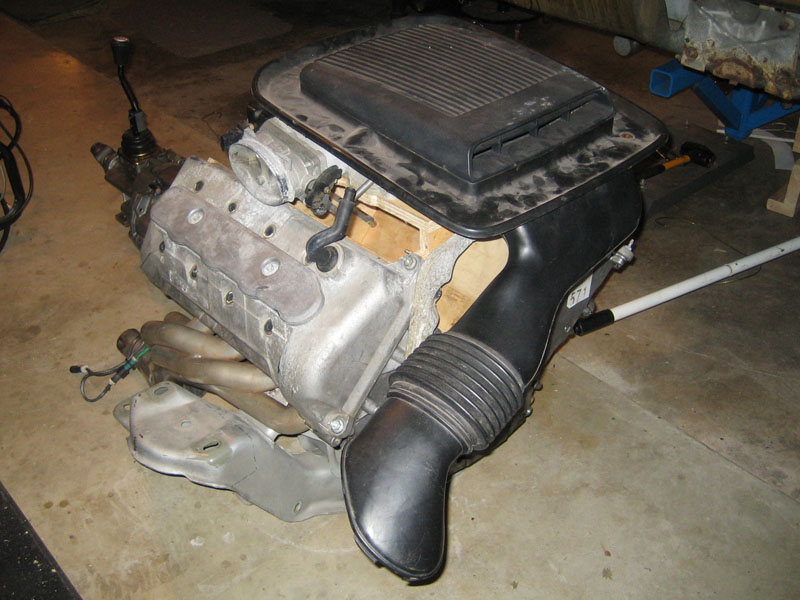
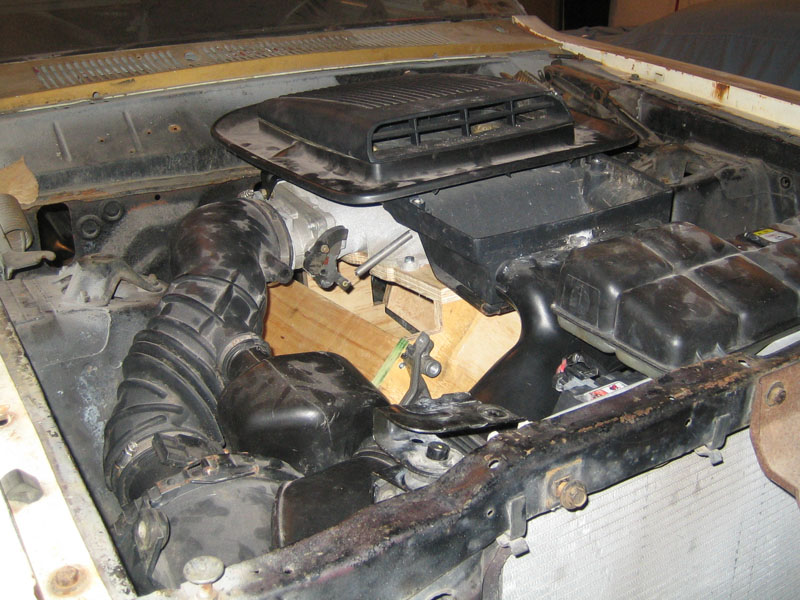
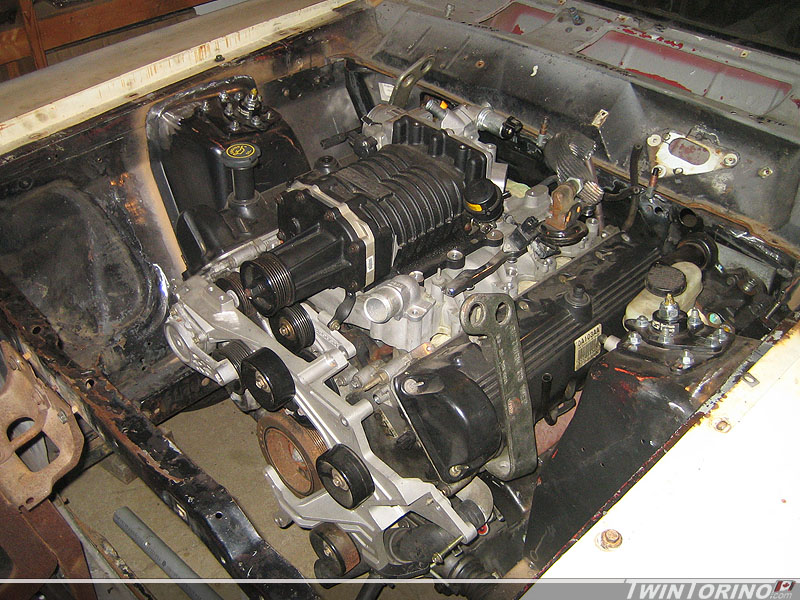
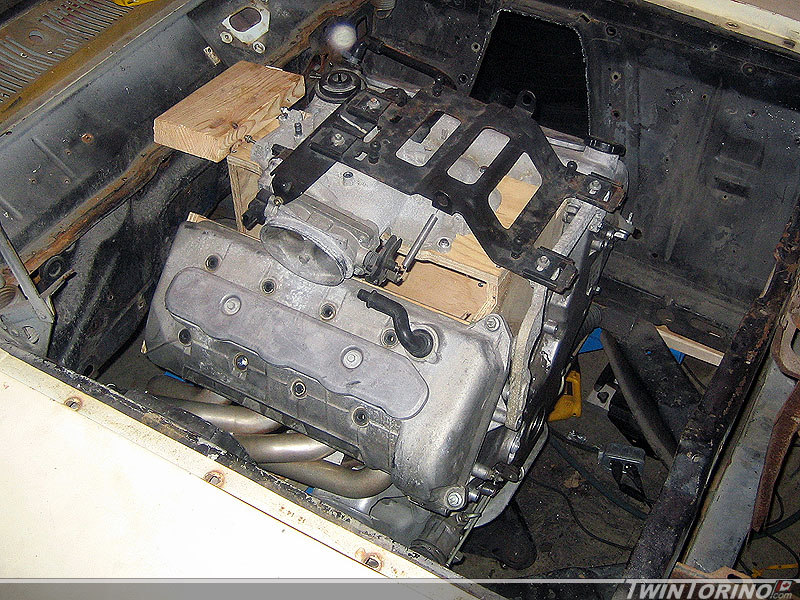
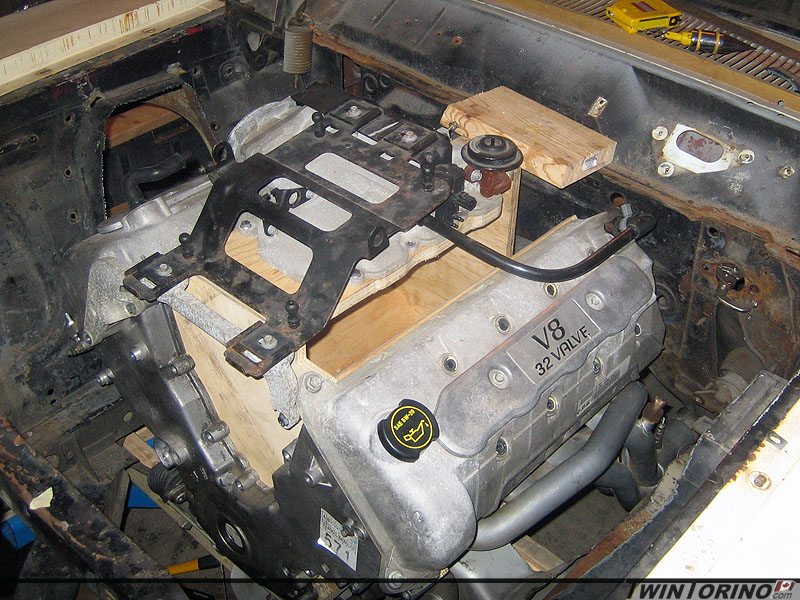
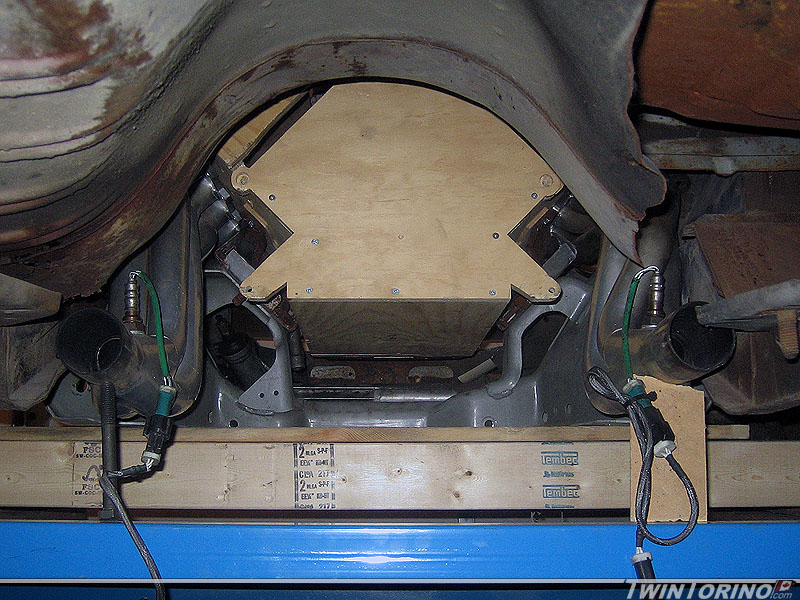
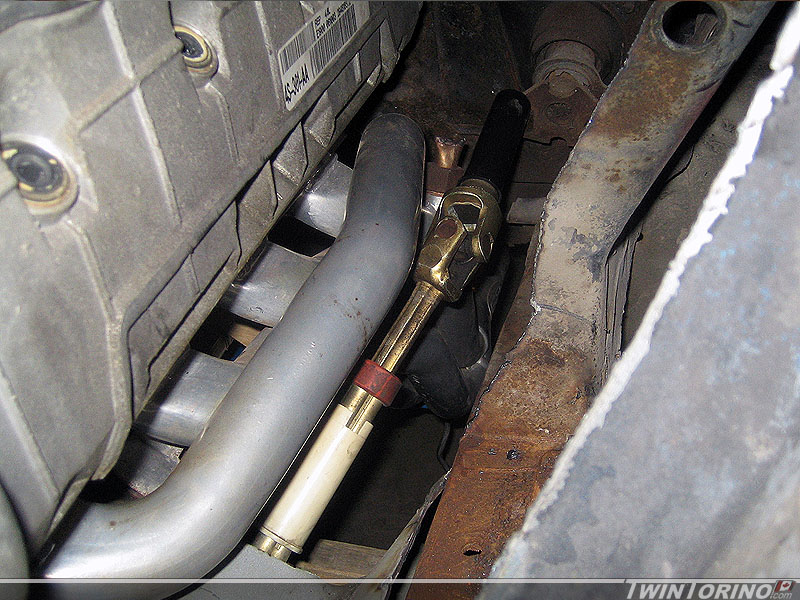
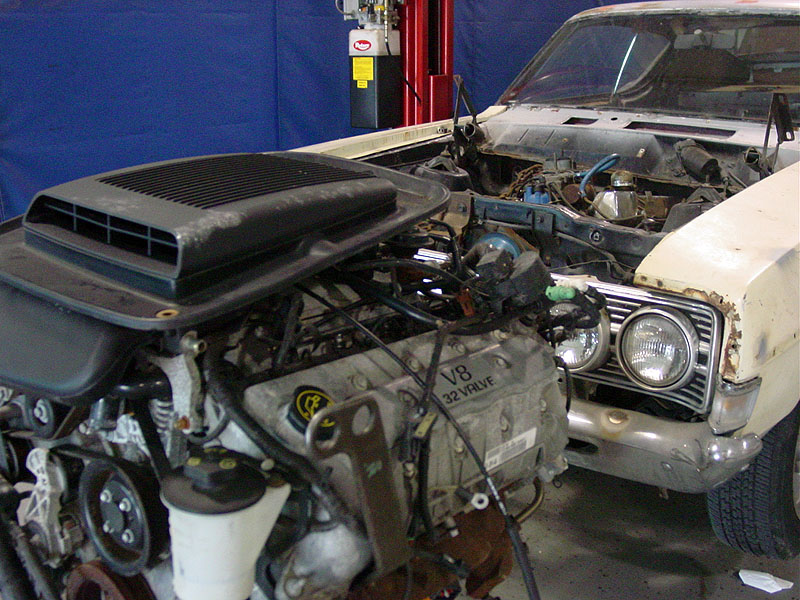
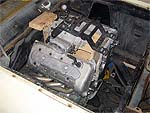
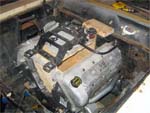
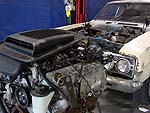
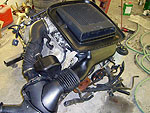
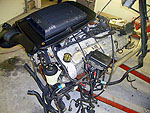
6/3/10: Figued we may as well try throwing one of the engines in to see how everything fits while we are at it. Everything fits surprisingly well. Just need to establish where to drill holes in the relocated motor mounts to get the engine as far back as possible. Big thing is the supercharger clears the hood with lots of room to spare. May not end up running the hood scoop in the to keep the stealth theme going.
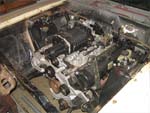
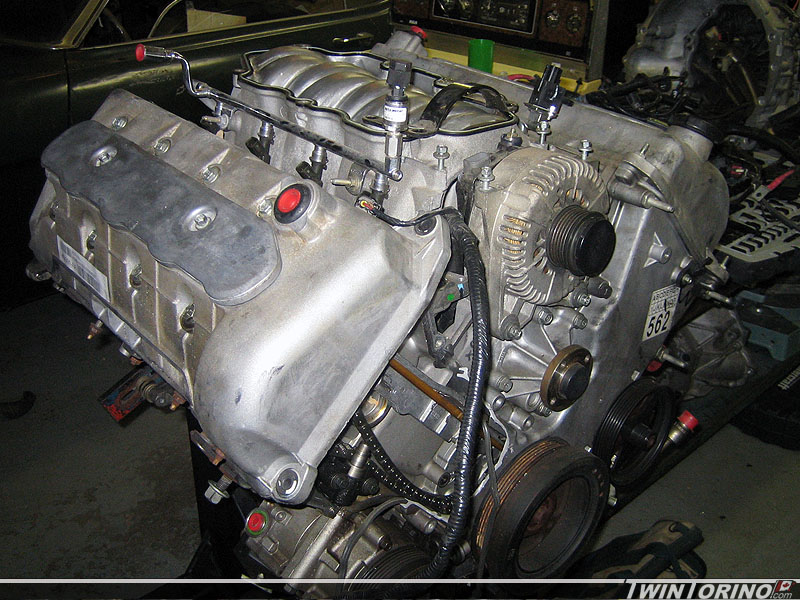
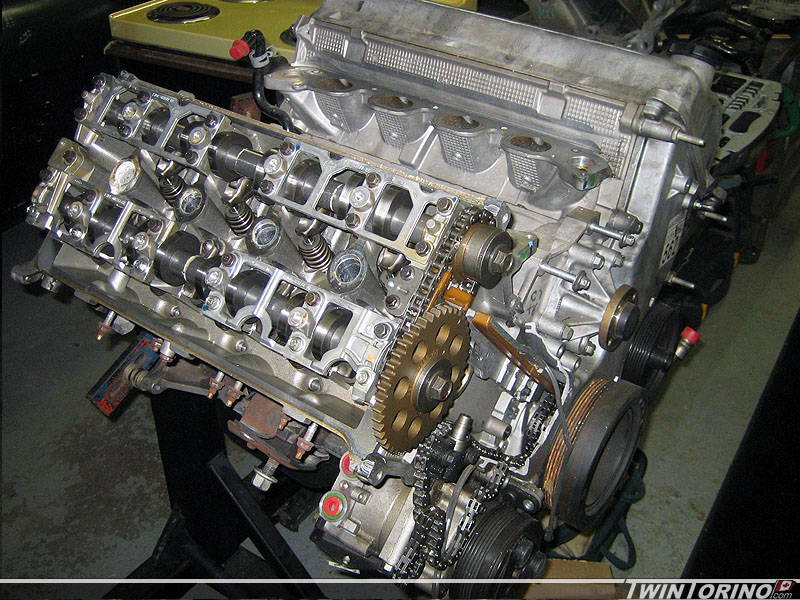
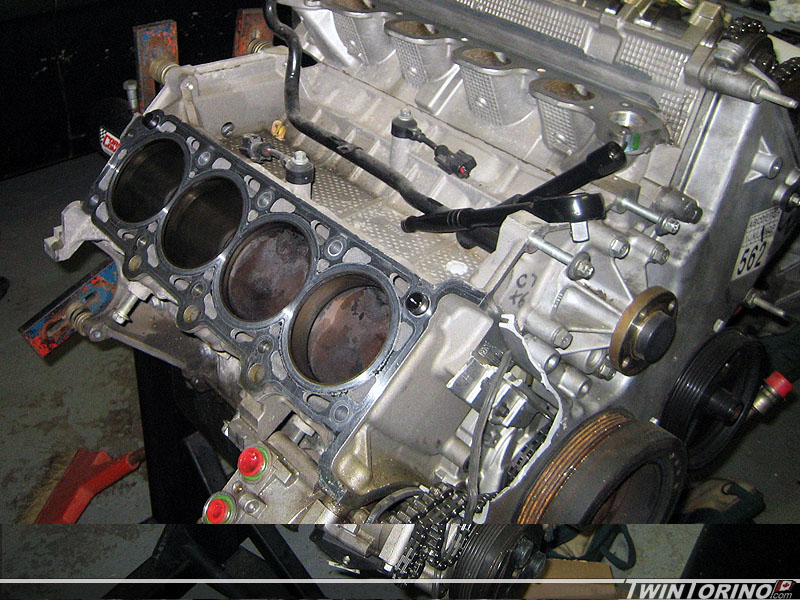
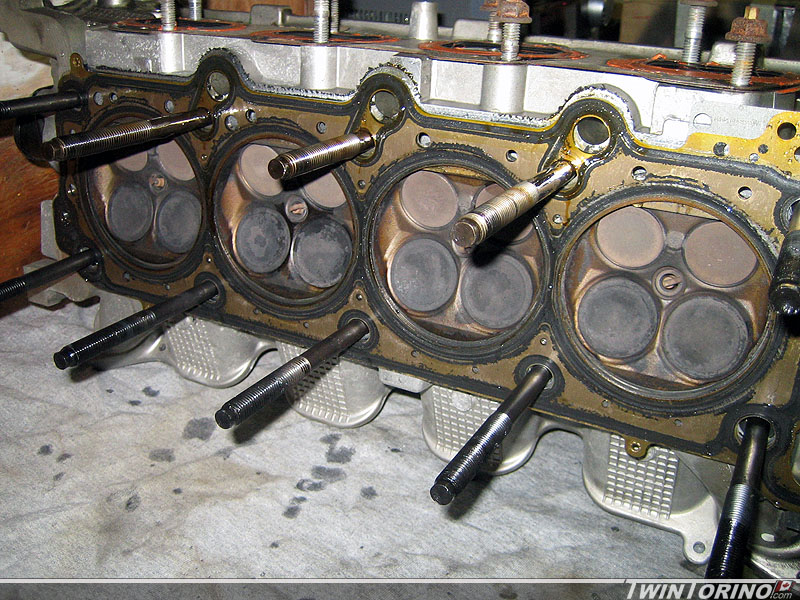
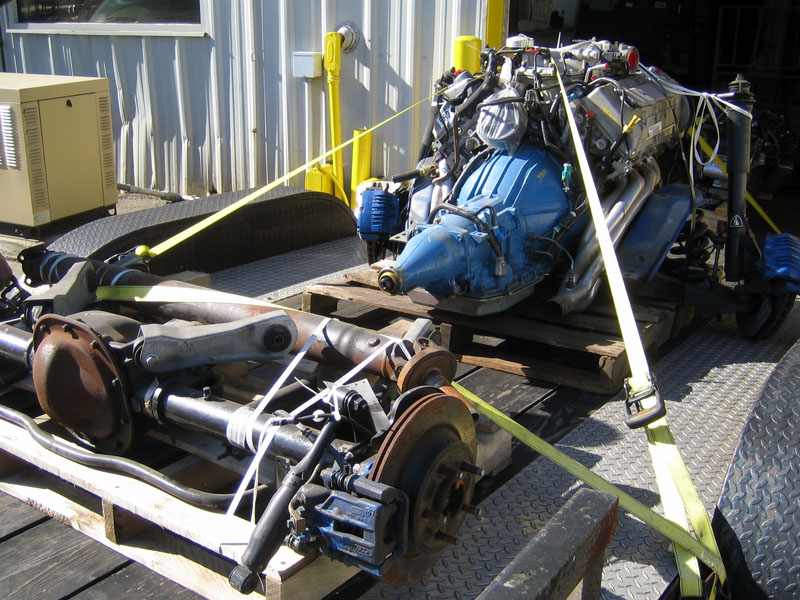
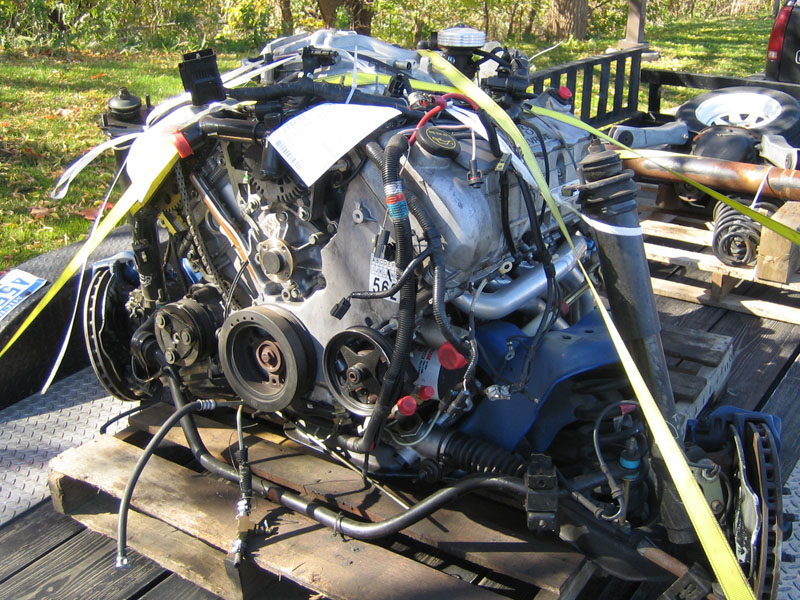
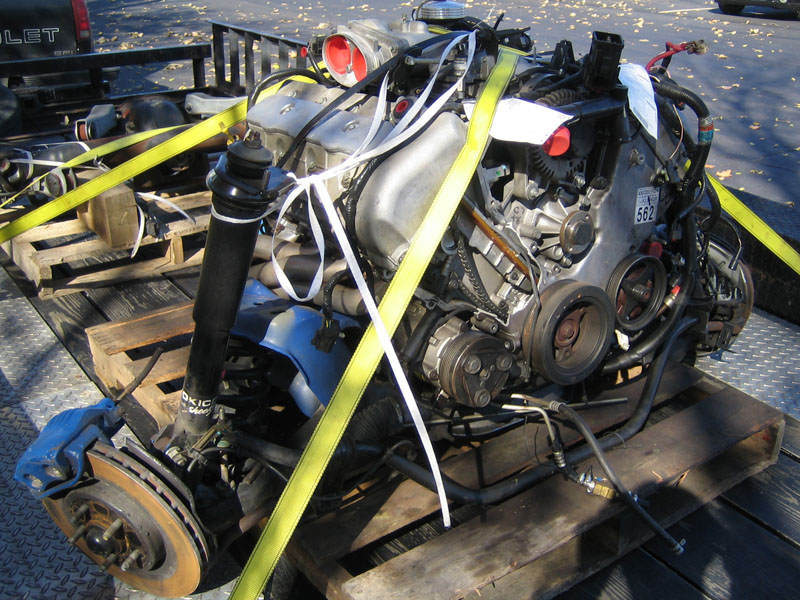
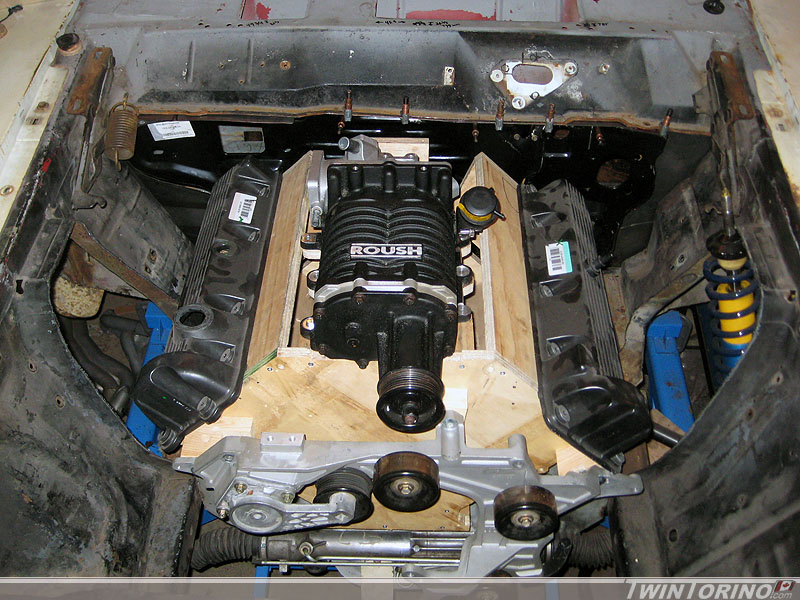
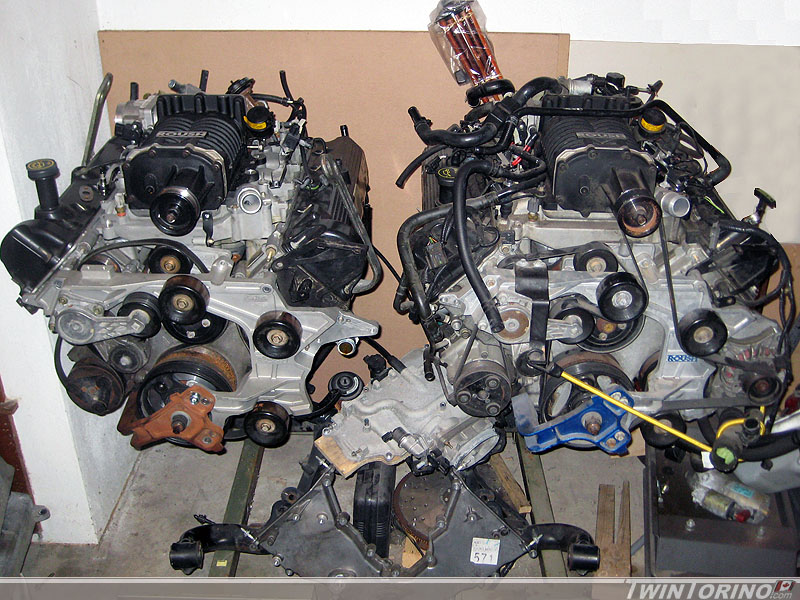
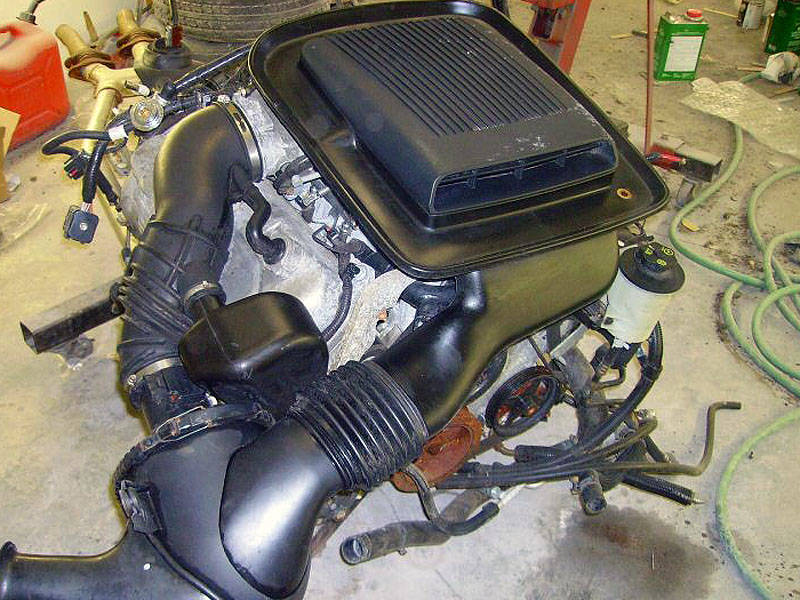
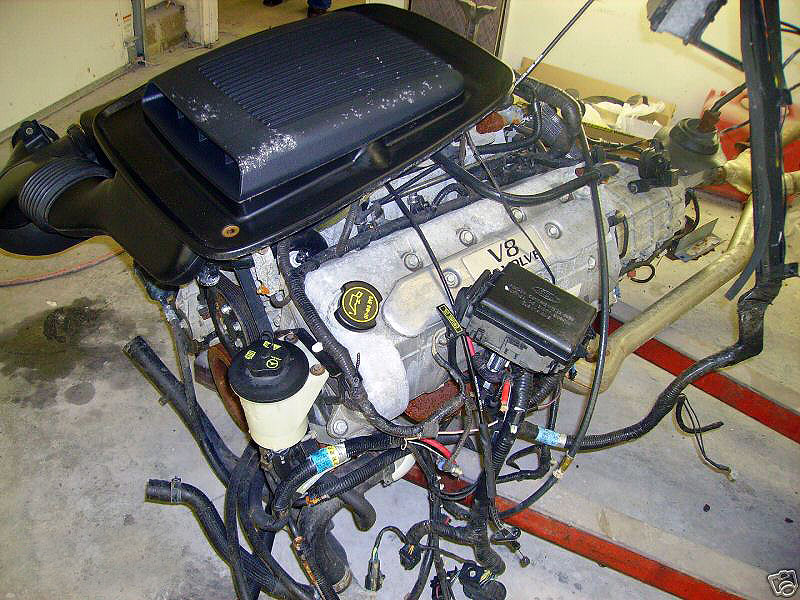
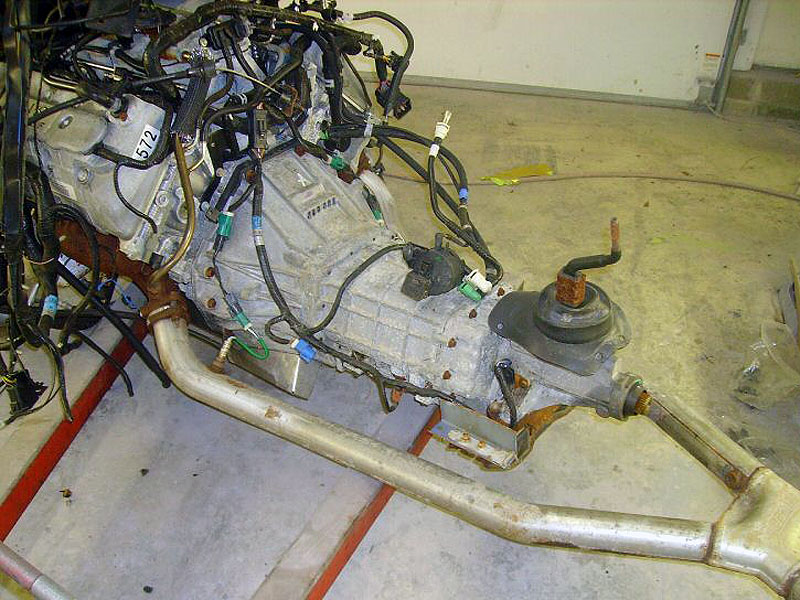
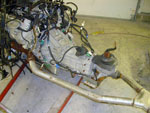
8/4/09: Slight change in powertrain plans here.. have had one of these engines for a while now, and recently found a second one (both used of course). Could not pass up the deal on them. They are 4.6L 2V engines that use an Eaton M90 supercharger and were designed for use in a 2001-2004 Roush Stage 3 Mustang. Both setups are missing some parts and will require some custom fab to make fit.. but nothing too major. Should be good for over 400hp/400ftlb of torque and will still get great gas mileage (when not under boost at least). The rest of the powertrain is good for 500ish hp so we should be OK there. Two main concerns with this were hood clearance and alternator clearance to framerail. After mocking things up both seem within reason, so I think we are going ahead with it. They will add a bit of weight to the car which is not overly desirable.. but what can you do. The Mach motors will go on the shelf until the next project I guess. I'll let the pictures tell the rest of the story...
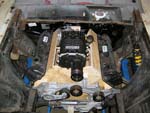 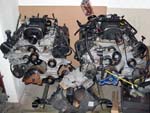
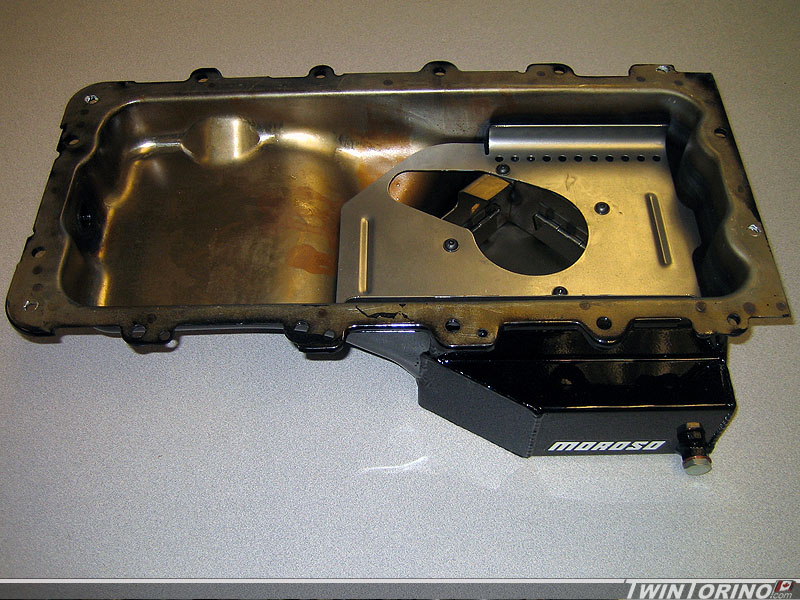
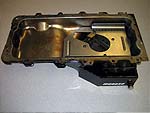
2/16/09: Starting to order up some of the parts required to rebuild the engine (or at least check it out) and then add part like oil pans that are spefically for road racing. We decided to get a Moroso pan that is specifically designed for use during on track events and has seprate trap doors to keep the sloshing to a minimum.
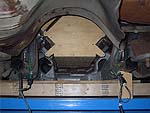
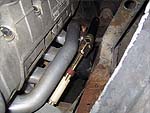
1/5/09: Once the front shock towers were removed and the stock Mustang front suspension k-member was modified, the engine was placed in the car. Surprisingly, the engine and exhaust fit quite well, and should only require a few tweaks to make it work. This is a big relief as we had thought it was going to be necessary to widen the frame rails. Things are really starting to move along now!
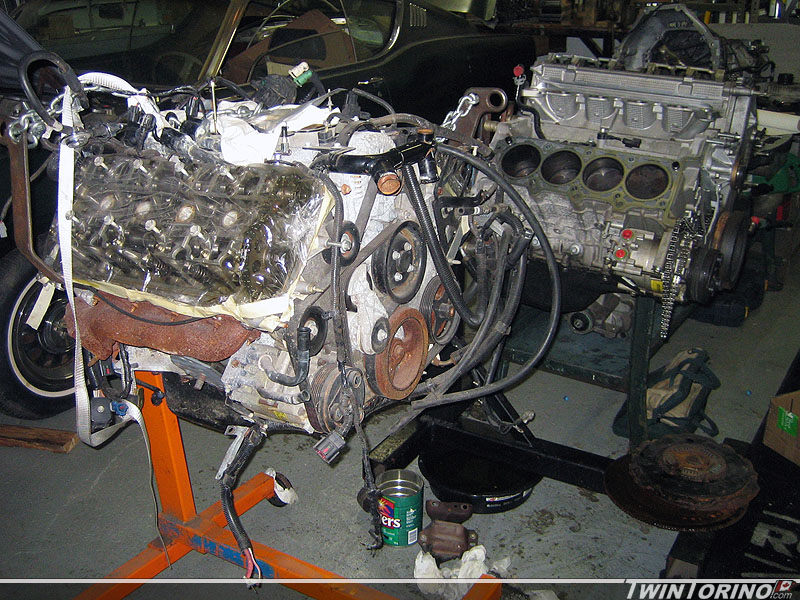
03/16/07: First major break in the builds - a 2004 Mach 1
Engine - 4.6L 4V Engine. Needs some refreshing aesthetically, but it
is the perfect candidate for our cars, and the price was right. This
was out of a wrecked car and had sat for a while, hence the corroded
surfaces. As you can see, this engine is complete with wiring,
computer, harnesses etc. The Tremec 3650 5-speed that comes stock on a
Mach 1 will be
replaced in favor of the T56 6-speed. Now this has us
thinking about a shaker hood..
 |